Writing
Building DreamDrop Books
DreamDrop Books turns a few personal details into a custom children’s book, then connects AI-generated stories to checkout and print fulfillment.
To make that work, the product brings AI, storytelling, product design, checkout, and print fulfillment into one flow. Each piece has to work, but the buyer should only have to think about making a good gift.
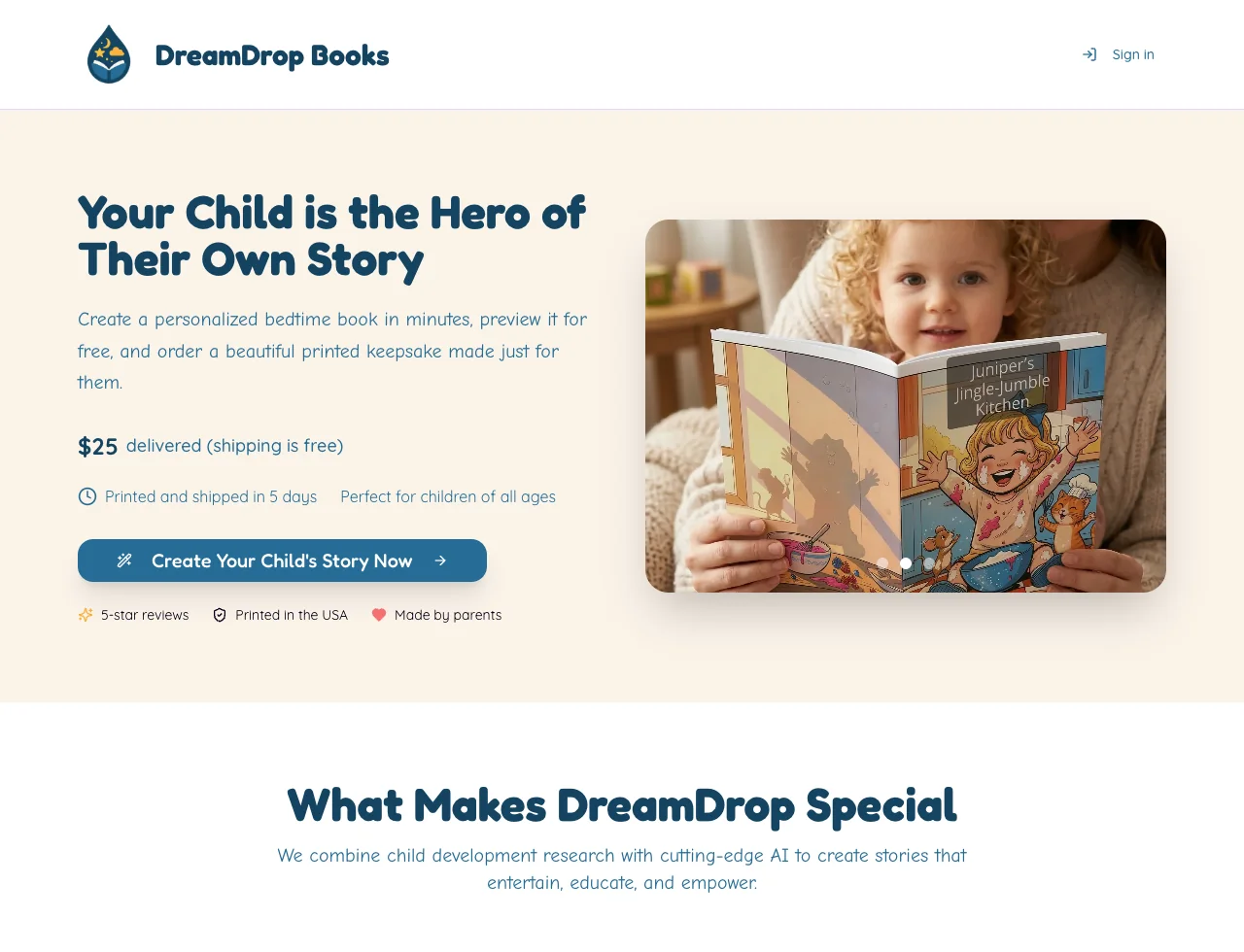
The product goal is straightforward: help someone make a personalized children’s book that feels thoughtful, imaginative, and worth giving. The system behind it has to generate a story, structure the content, create images, process checkout, and send the finished book to print.
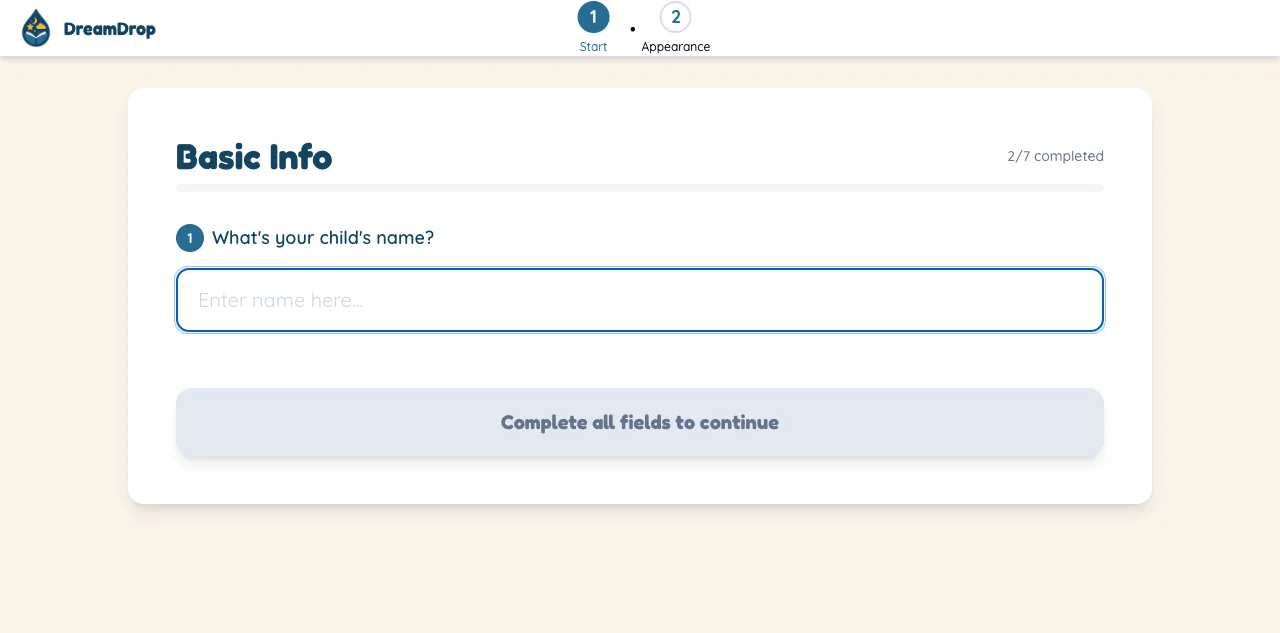
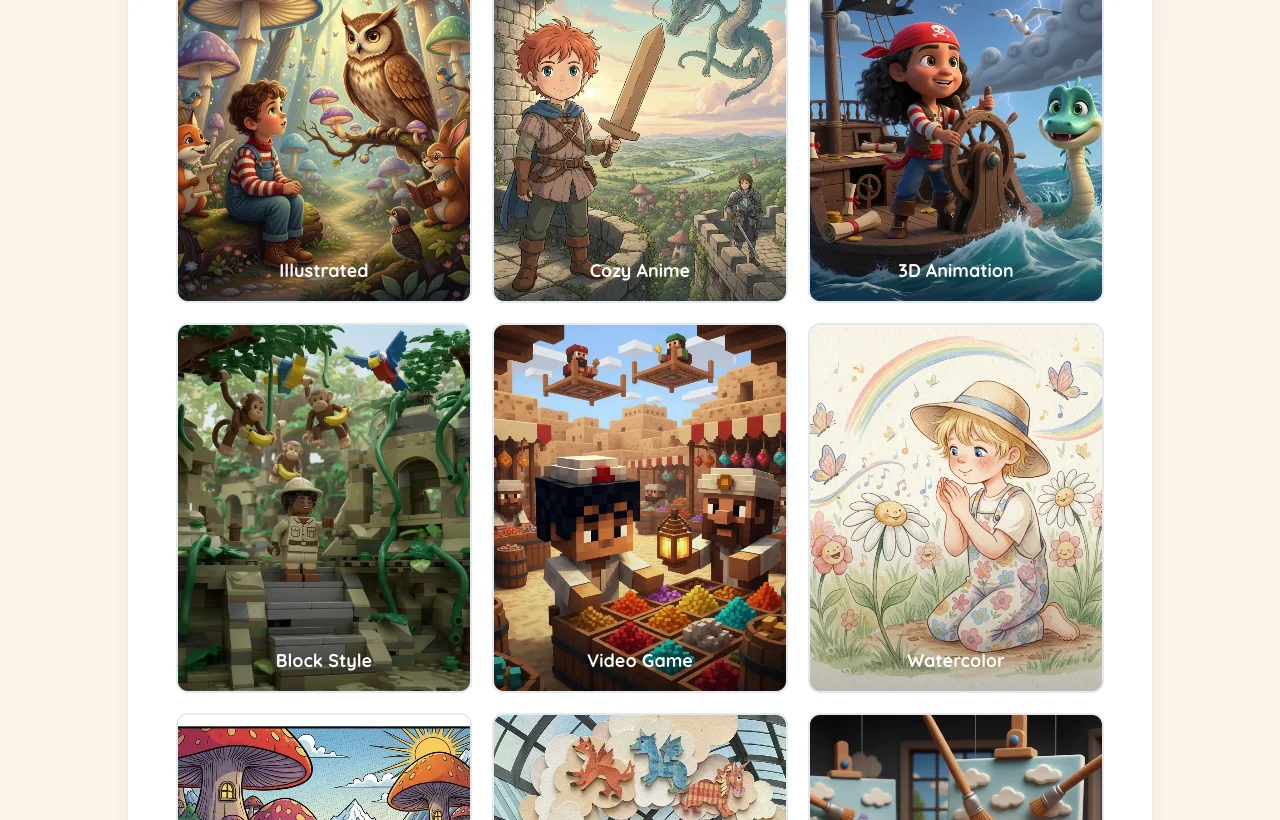
The AI work is part of that larger system. The app has to guide the story, keep details consistent, write for children, and pair the writing with images that feel like they belong in the same book.
I have also spent a lot of time on the less visible work: keeping the flow smooth, making generation reliable, handling edge cases, and connecting a digital creation process to a physical book that can be ordered and shipped.
I’m not going deep on implementation here. The project uses a full-stack TypeScript app, AI text and image generation, payment processing, and print-fulfillment automation. The work is making those pieces behave like one product.
DreamDrop Books is still evolving. It is also a useful example of what a small team can build now: a product that combines creative work, software, and fulfillment without handing each part to a separate pipeline.